Here is the part that unsettles people: the most dangerous thing I find in a home is usually the one thing you cannot see, smell, or taste. Radon does not leave a water stain on the ceiling or droppings in the attic. It just sits in the air you breathe every night while you sleep.
I test for it on homes all over the Piedmont Triad and the northwest foothills, and I want you to understand what it is and why it matters here specifically, not in some generic "every home in America" way.
What is radon, exactly?
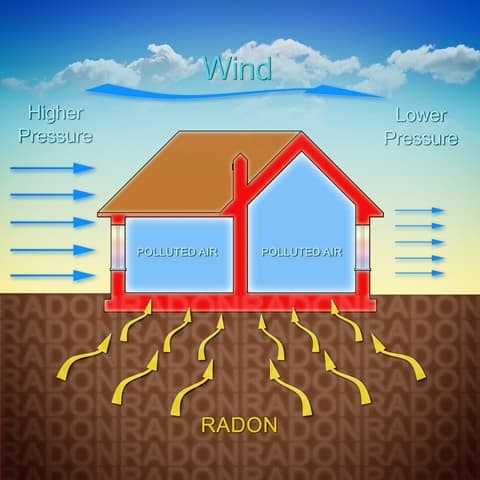
Radon is a radioactive gas that comes from uranium breaking down in the soil and rock under your house. It seeps up through cracks in the foundation, gaps around pipes, and crawlspace floors, then it collects indoors where there is less airflow. Outside it disperses and does no harm. Inside, it can build to levels that matter.
The health risk is not hype. The EPA and the U.S. Surgeon General both rank radon as the second leading cause of lung cancer behind smoking, tied to more than 20,000 deaths a year in this country. You will not feel a thing. That is the whole problem.
Is radon really a problem in our part of North Carolina?
Yes, and the maps back it up. The EPA sorts every county into one of three radon zones based on the predicted average indoor level. Across the area I serve, the counties fall like this:
- Zone 1 (highest potential, predicted average above 4 pCi/L): Rockingham County.
- Zone 2 (moderate, 2 to 4 pCi/L): Surry, Stokes, Wilkes, Yadkin, Forsyth, and Iredell counties.
- Zone 3 (lower, under 2 pCi/L): Guilford, Alamance, Davidson, Davie, and Randolph counties.
Now read the next sentence twice, because it is the one people get wrong. Those zones are averages, not guarantees. The EPA has found homes with high radon in all three zones, sometimes right next door to a home that tests clean. I have seen a Zone 3 house come back high and a Zone 1 house come back fine. Statewide, roughly one in five North Carolina homes tests above the action level. The only way to know about your house is to test your house.
What counts as a safe radon level?
The EPA action level is 4.0 picocuries per liter, written pCi/L. At or above that, they recommend fixing the home. Between 2.0 and 4.0, they suggest you consider it. No level is truly zero, but lower is always better, and bringing a high number down is very doable.
How I test for radon
I do not use the cheap charcoal kits you hang on a nail and mail off. I place a continuous radon monitor from Gregory Enterprises, a calibrated electronic device that records a reading every hour for the test period, usually 48 hours with the house kept in closed conditions. When it finishes you get a report showing the average level plus the high and low readings along the way. The monitor flags tampering and keeps running on battery if the power blips, so nobody can crack a window halfway through and skew the result.
When should you test?
If you are buying, the smart time is during your due diligence period, alongside the home inspection, while you still have room to negotiate. If you already own your home and have never tested, there is no bad time, especially if you spend a lot of hours in a finished basement or a ground-floor bedroom. The EPA recommends testing every home below the third floor.
What if the number comes back high?
Do not panic, and do not let anyone scare you into a rushed decision. A high radon result is a fixable problem. A mitigation system, typically a sub-slab pipe and a quiet fan that vents the gas above the roofline, brings levels down reliably and usually costs less than people expect. If your test reads high, you will know exactly what you are looking at and what your options are. That is the point of testing.
Common questions about radon in North Carolina
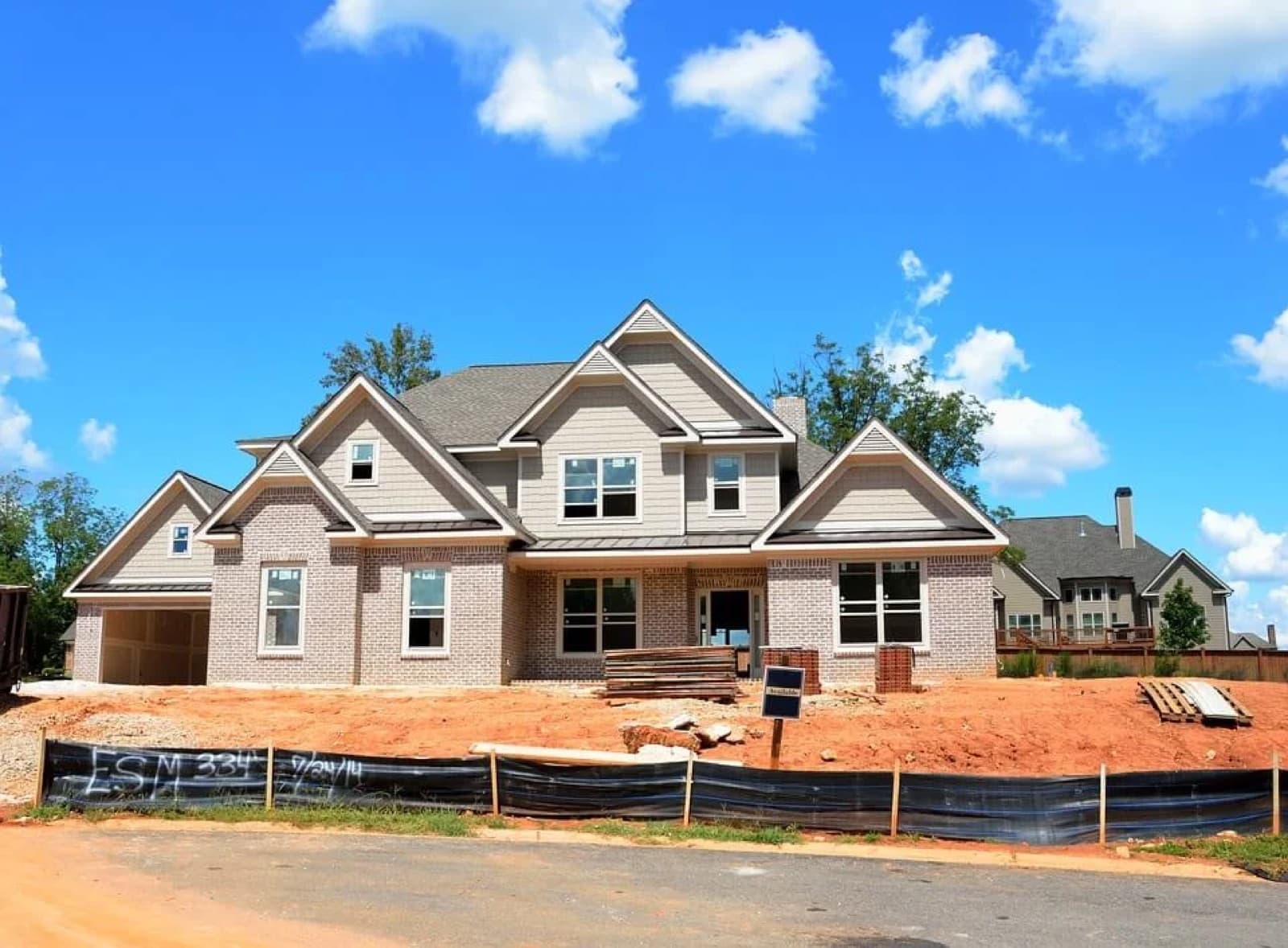
Does a newer home need a radon test? Yes. Radon comes from the ground, not the age of the house. New construction can test high.
Can I just open the windows? Airing out helps for a moment, but it is not a fix. Levels climb right back once the house is closed up.
How long does the test take? The monitor runs about 48 hours, and I can run it during the same visit as your home inspection and WDIR termite inspection.
Is radon worse toward the mountains? Foothill and mountain counties tend to test higher on average, which is why Rockingham lands in Zone 1 and much of the northwest sits in Zone 2. Individual homes still vary, so test yours.
Test before you commit
SureLock Home Inspections serves Surry, Stokes, Rockingham, Wilkes, Yadkin, Forsyth, Guilford, Alamance, Davidson, Davie, Iredell, and Randolph counties, and I can handle your radon test, home inspection, and termite report in one trip. Schedule online, request a quote, or call or text me at (336) 816-3907.
Ready to book your inspection?
Serving the Piedmont Triad and northwest North Carolina, clear digital reports usually within 24 hours.