Buying your first home in North Carolina comes with a wrinkle a lot of first-timers do not see coming, and it has nothing to do with the inspection itself. It is the clock. Our state runs real estate deals on something called a due diligence period, and if you do not understand it, you can lose your shot at an inspection, or lose money. Let me walk you through how it works and how the inspection fits in.
The North Carolina due diligence period, explained
Most states let you write an offer with an inspection contingency, a built-in right to inspect and back out. North Carolina does it differently. Your contract has a negotiated due diligence period instead: a window, often somewhere between 7 and 30 days and commonly around two weeks, where you can investigate the home however you want and walk away for any reason at all.
Two checks usually change hands when you go under contract:
- The due diligence fee is paid to the seller for taking the home off the market. It is generally non-refundable even if you walk, though it is usually credited toward your purchase if you close.
- Earnest money is your good-faith deposit. During due diligence, if you terminate, you get it back. After the period ends, it is at risk.
Here is the part that matters for you: once that due diligence window closes, your leverage is mostly gone. You can no longer walk away freely over something the inspection turned up. So the inspection has to happen inside that window, and early.
When do I schedule the inspection?
Right away. The day your offer is accepted, get your inspection on the calendar. Do not wait a week to settle into the idea, because the due diligence clock is already running, and you want the report in hand with enough time left to ask the seller for repairs or to walk if something serious shows up. When buyers call me the morning after they go under contract, I know they have good advice in their corner.
What does a home inspection actually cover?
A North Carolina home inspection is a top-to-bottom look at the condition of the house by a licensed inspector, working to the standards set by the state's Home Inspector Licensure Board. On a typical home I am checking:
- Roof, flashing, gutters and drainage
- Attic, insulation and ventilation
- Foundation, crawlspace or basement, and structure
- Exterior, grading, siding and walkways
- Plumbing, water heater and fixtures
- Electrical service, panel, outlets and safety devices
- Heating and cooling systems
- Built-in appliances, doors and windows
You get a digital report with photos, usually within 24 hours, and I walk you through the findings in plain language. I would rather you understand three real issues than drown in thirty cosmetic ones.
One visit, three reports
Most first-time buyers do not realize they can knock out everything at once. Because I am also a Certified Radon Inspector and perform the WDIR termite report myself as a licensed pest control operator, your home inspection, radon test, and termite report can all happen in a single appointment. One trip, one point of contact, instead of juggling three companies against a ticking due diligence clock.
What a home inspection is not
This trips up a lot of first-timers, so let me be clear. An inspection is not a pass or fail test. It is not a code inspection, and it is not a guarantee that nothing will ever break. Every house, even brand-new construction, has issues. My job is to find them, explain which ones actually matter, and give you the facts to make a calm decision. No scare tactics.
Reading your report and putting it to work
When the report lands, sort the findings into three buckets in your head: safety issues, big-ticket items like the roof, HVAC, foundation and electrical, and everything else. Safety and big-ticket items are where you focus during due diligence. With your agent, you can ask the seller to repair them, credit you, or adjust the price, or you can decide the house is not worth it and use your window to walk. That is the whole reason the inspection comes first.
Common questions from first-time buyers
Should I attend the inspection? If you can, yes. The walkthrough at the end is worth more than the report alone. You will learn where your shutoffs are and how your home works.
How long does it take? Most homes take two to four hours depending on size, age and condition.
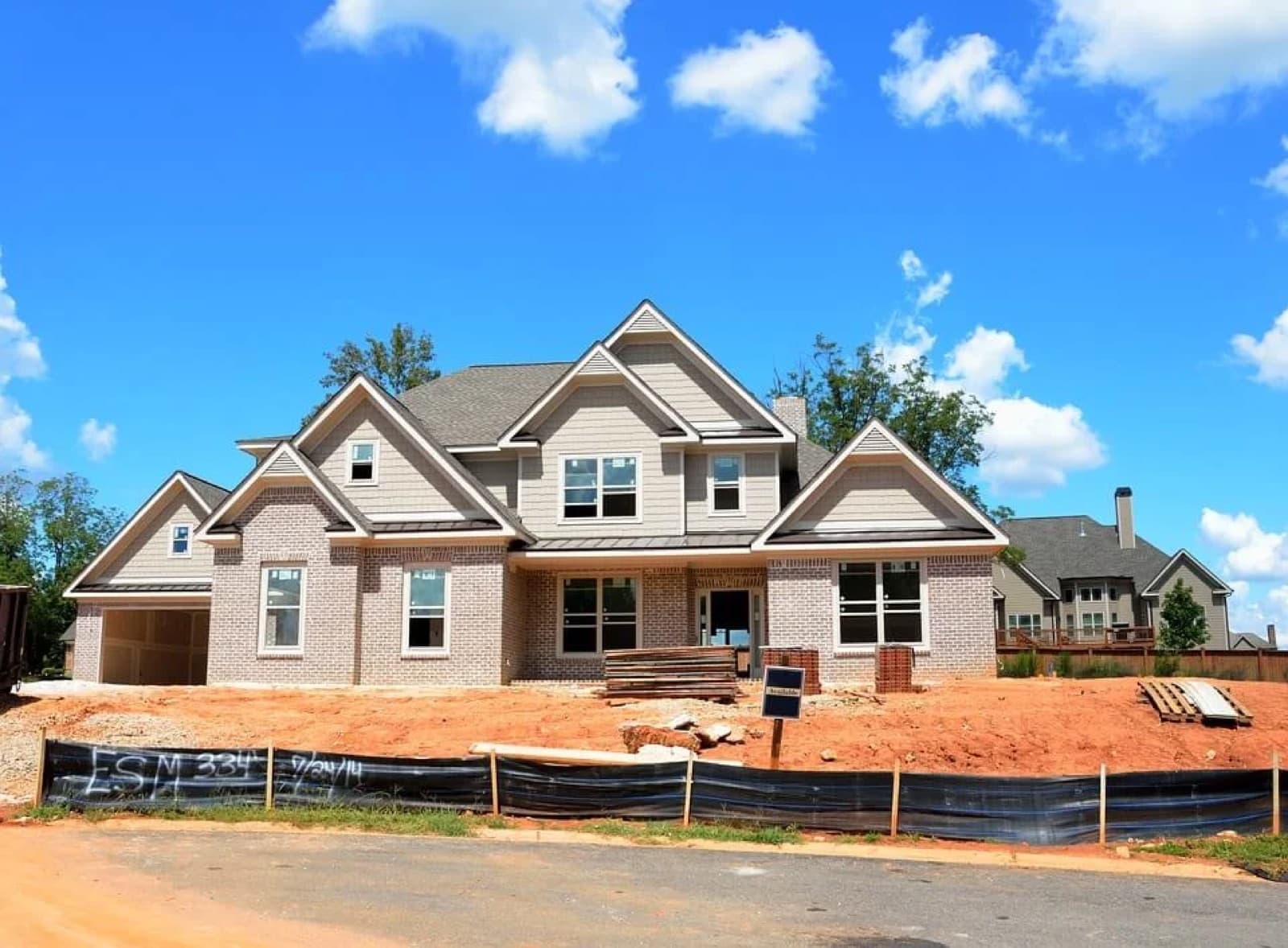
What if I am buying new construction? Inspect it anyway. Builders are busy and details get missed.
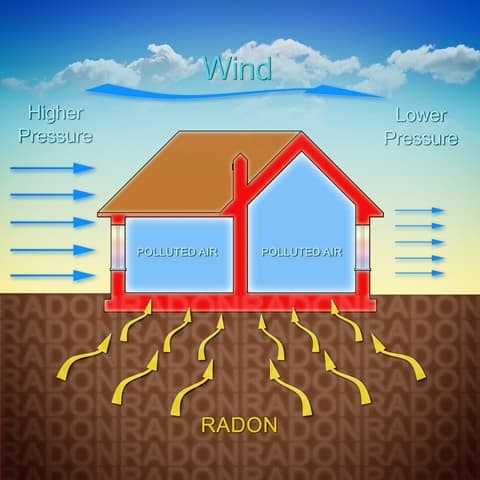
Do I need radon and termite testing too? Radon, because much of our area tests elevated, and a WDIR, because your loan often requires it. Both are easy to add to the same visit.
Buying in the Piedmont Triad? Let's talk.
SureLock Home Inspections serves Surry, Stokes, Rockingham, Wilkes, Yadkin, Forsyth, Guilford, Alamance, Davidson, Davie, Iredell, and Randolph counties, from Mount Airy to Winston-Salem, Greensboro to Statesville. Schedule your inspection online, request a quote, or call or text me at (336) 816-3907.
Ready to book your inspection?
Serving the Piedmont Triad and northwest North Carolina, clear digital reports usually within 24 hours.